
Why People Feel More Connected Online but More Lonely in Real Life

Why Is Loneliness in India Increasing Despite Constant Online Connection?

We are more connected than ever before.

Thousands of followers.
Constant notifications.
Endless chats.
Daily social media updates.

And yet… so many people still feel lonely.

That’s one of the biggest emotional contradictions of modern life.

Today, loneliness in India is quietly increasing even though people are digitally connected all the time.

You can spend hours talking online and still feel emotionally disconnected internally.

For Dr. Jitesh Gadhia, this growing emotional disconnect is becoming one of the biggest hidden mental wellness challenges in India today.

Because real connection is not about constant communication.

It’s about emotional presence.


What Is Causing Loneliness in India Today?

The rise of loneliness in India is connected to several modern lifestyle changes:

  • excessive social media use
  • emotional disconnection
  • digital overload
  • comparison culture
  • busy lifestyles
  • reduced face-to-face interaction
  • emotional stress
  • lack of meaningful conversations

Many people today are surrounded by online interaction but lack deep emotional connection in real life.

And over time, this creates emotional emptiness.


Why Social Media Is Increasing Emotional Disconnection

Social media helps people stay connected digitally.

But emotionally, it often creates distance.

People today spend more time:

  • watching lives instead of living theirs
  • reacting to content instead of having real conversations
  • scrolling instead of emotionally connecting

And slowly, relationships become more surface-level.

In cities like Ahmedabad, Mumbai, Bengaluru, Delhi, and Pune, fast-paced lifestyles are making emotional connection even harder.

Everyone is available online.
But very few people feel emotionally understood.

That’s one of the biggest reasons loneliness in India is growing rapidly.


Why People Feel Lonely Even Around Others

One of the most painful forms of loneliness is emotional loneliness.

You can:

  • sit with people
  • attend events
  • stay active online
  • constantly communicate

…and still feel emotionally disconnected.

Why?

Because human beings need:

  • emotional safety
  • meaningful conversations
  • understanding
  • presence
  • real connection

Without emotional depth, communication starts feeling empty.

Dr. Jitesh Gadhia often explains in his mindset and NLP sessions: “Being surrounded by people is not the same as feeling emotionally connected.”

That sentence resonates deeply with many people today.


The Digital Lifestyle in India Is Quietly Changing Relationships

Modern digital lifestyles are affecting relationships more than people realize.

Today:

  • attention spans are shorter
  • conversations are faster
  • patience is lower
  • emotional presence is weaker

Many people are constantly distracted mentally—even during conversations.

Phones are everywhere:

  • during meals
  • while talking
  • before sleeping
  • during family time

And slowly, emotional attention disappears.

That’s why many people feel more emotionally isolated despite constant online interaction.


Signs You May Be Experiencing Emotional Loneliness

Loneliness does not always look obvious.

Sometimes it appears quietly.

You feel emotionally disconnected

Even when talking to people regularly.

You constantly seek distraction

Because silence feels emotionally uncomfortable.

Social media makes you feel worse emotionally

Comparison increases emotional emptiness.

You struggle to have deep conversations

Most conversations stay surface-level.

You feel mentally alone even around people

This is one of the strongest signs of emotional loneliness.

If this feels familiar, you are definitely not alone.


Why Loneliness in India Is Becoming a Serious Emotional Health Issue

Across India, emotional loneliness is becoming more common among:

  • students
  • professionals
  • entrepreneurs
  • young adults
  • even families

Modern lifestyles are creating:

  • faster communication
  • weaker emotional bonding
  • more digital interaction
  • less emotional presence

And while technology keeps improving connection speed, emotional depth is often decreasing.

That’s why conversations around:

  • emotional well-being
  • mindfulness
  • real relationships
  • mental health
  • emotional intelligence

are becoming increasingly important in India today.


How to Reduce Loneliness and Build Real Emotional Connection

The good news?

Emotional connection can be rebuilt.

But it requires intentional effort.


1. Spend Less Time Consuming and More Time Connecting

Instead of only scrolling:

  • call someone meaningfully
  • meet people offline
  • have deeper conversations

Human connection heals emotional isolation.


2. Practice Emotional Presence

Being physically present is not enough.

Try to:

  • listen fully
  • avoid distractions during conversations
  • make eye contact
  • stay emotionally available

Presence creates stronger relationships.


3. Reduce Constant Comparison

Social media often creates the illusion that everyone else is happier or more connected.

But comparison increases emotional emptiness.

Focus on authentic connection—not digital validation.


4. Learn to Enjoy Silence Without Escaping It

Many people constantly seek stimulation because emotional silence feels uncomfortable.

But emotional clarity often begins in silence.

Dr. Jitesh Gadhia often says: “The more connected you become with yourself, the less emotionally empty life feels.”


5. Build Real-Life Relationships Slowly

Strong relationships are built through:

  • trust
  • consistency
  • vulnerability
  • emotional honesty

Not just constant messaging.


Why This Topic Matters More Than Ever in India

India is one of the most digitally connected countries in the world.

But at the same time:

  • stress is increasing
  • emotional fatigue is rising
  • loneliness is growing
  • real connection is reducing

That’s why emotional wellness and meaningful human connection are becoming essential conversations in modern India.

Because people do not only need communication anymore.

They need emotional understanding.


FAQs About Loneliness in India

Why do people feel lonely despite social media?

Because digital communication cannot fully replace emotional connection and meaningful relationships.

Is loneliness increasing in India?

Yes. Fast-paced lifestyles, digital overload, and emotional disconnection are increasing loneliness in India.

How can I reduce emotional loneliness?

Focus on meaningful conversations, emotional presence, real-life interactions, and reducing digital comparison.

Can social media affect emotional health?

Yes. Excessive social media use can increase comparison, emotional isolation, stress, and mental exhaustion.


Final Thoughts: Real Connection Is Becoming Rare

Modern life keeps people constantly connected digitally.

But emotionally, many people feel more disconnected than ever before.

And maybe that’s why so many people today feel mentally exhausted, emotionally empty, and quietly lonely.

For Dr. Jitesh Gadhia, real transformation is not only about success or productivity.

It’s also about emotional awareness, meaningful relationships, and learning how to reconnect with yourself and others in a distracted world.

Because in the end, human beings do not simply need attention.

They need connection.

👉 Explore more mindset and transformation insights at:
https://jiteshgadhia.com/blog/

👉 Learn more about NLP, emotional wellness, and transformational training with Dr. Jitesh Gadhia at:
https://jiteshgadhia.com/

The world has never been more connected digitally… yet many hearts have never felt more alone. 🤍

#LonelinessInIndia #MentalHealthIndia #DrJiteshGadhia #EmotionalWellness #MindsetShift #DigitalLife #HumanConnection #NLP

The Pressure to Succeed in India: Why Modern Success Feels Mentally Exhausting

Why Is the Pressure to Succeed in India Increasing So Rapidly?

The pressure to succeed in India has never felt heavier than it does today.

Everywhere you look, people seem to be achieving something:

  • promotions
  • businesses
  • luxury lifestyles
  • social media success
  • financial milestones

And slowly, without realizing it, many people begin feeling like they are falling behind.

This constant emotional pressure is affecting students, professionals, entrepreneurs, and even families across India.

For Dr. Jitesh Gadhia, one of the biggest mindset challenges in modern India is not lack of opportunity—it’s the growing inability to experience peace while chasing success.

Because today, success is no longer just personal.

It has become public.


What Does the Pressure to Succeed in India Actually Mean? 

The pressure to succeed in India refers to the emotional, mental, and social burden people feel to constantly achieve more in life.

This pressure often comes from:

  • family expectations
  • career competition
  • financial pressure
  • social comparison
  • digital culture
  • fear of failure

And over time, it creates:

  • stress
  • anxiety
  • emotional exhaustion
  • overthinking
  • burnout

Many people look successful externally while struggling mentally internally.

That’s the hidden reality very few openly discuss.


Why Success in India Feels More Competitive Than Ever

India is one of the fastest-growing economies in the world. Opportunities are increasing—but so is comparison.

In cities like Ahmedabad, Mumbai, Bengaluru, Pune, and Delhi, people are constantly exposed to:

  • startup culture
  • hustle culture
  • competitive careers
  • luxury lifestyles online
  • achievement-focused environments

And while ambition itself is healthy, nonstop comparison slowly becomes mentally exhausting.

Social media has amplified this pressure even more.

Every day, people consume:

  • achievement posts
  • productivity content
  • financial success stories
  • “perfect” lifestyles

And subconsciously, the brain begins measuring self-worth against other people’s highlight reels.

That’s one of the biggest reasons the pressure to succeed in India feels emotionally draining today.


The Mental Health Impact of Success Pressure in India

One of the biggest modern problems is this:

Many people are becoming professionally successful while emotionally exhausted.

They are:

  • achieving goals
  • earning money
  • growing careers

But internally, they feel:

  • mentally tired
  • emotionally overwhelmed
  • disconnected from peace

This happens because external achievement cannot replace internal emotional balance.

Dr. Jitesh Gadhia often explains during his NLP and mindset sessions: “Success without emotional clarity eventually creates mental exhaustion.”

And honestly, many people in India are beginning to feel exactly that.


Signs You’re Struggling With the Pressure to Succeed

The pressure doesn’t always look dramatic.

Sometimes it quietly appears in daily life.

You constantly feel behind

Even after progress, you still feel like it’s not enough.

You struggle to relax without guilt

Rest starts feeling unproductive instead of peaceful.

You compare your journey too often

Especially through social media or career achievements.

Your mind never truly switches off

You’re always thinking about:

  • work
  • growth
  • money
  • future pressure

Your happiness depends on achievement

Success becomes emotionally attached to self-worth.


Why Indian Youth Are Feeling More Mentally Exhausted Today 

Younger generations in India are growing up in an environment filled with:

  • nonstop digital stimulation
  • competition
  • pressure to perform
  • information overload
  • social comparison

At the same time, attention spans are shrinking while stress levels are increasing.

This is why topics like:

  • mental clarity
  • emotional well-being
  • focus
  • mindfulness
  • mindset

are becoming more important than ever in India today.

And that’s also why mindset coaching, emotional intelligence, and NLP-based personal growth are gaining attention across India.


How to Handle the Pressure to Succeed in a Healthier Way

The goal is not to stop growing.

The goal is to grow without emotionally burning out.

Here are practical mindset shifts that genuinely help.


1. Stop Measuring Your Worth Through Productivity

Your value is not based only on achievement.

You are still worthy even when you rest.

This mindset shift alone reduces enormous emotional pressure.


2. Learn to Separate Growth From Comparison

Growth inspires.
Comparison exhausts.

Someone else’s timeline is not your life path.


3. Protect Your Mental Energy

Your attention affects your emotional health.

Reduce:

  • unnecessary scrolling
  • toxic comparison
  • constant digital overload

Mental peace requires boundaries.


4. Redefine What Success Means to You

Real success is not only:

  • money
  • status
  • titles

It’s also:

  • peace of mind
  • emotional stability
  • meaningful relationships
  • mental clarity


5. Slow Down Without Feeling Guilty

Rest is not weakness.

Recovery is necessary for sustainable growth.

Dr. Jitesh Gadhia often shares: “Burnout is not a badge of honor. Sustainable growth matters more.”


Why This Topic Matters for India Right Now

The conversation around the pressure to succeed in India is becoming increasingly important because millions of people are silently struggling with:

  • stress
  • anxiety
  • overthinking
  • burnout
  • emotional fatigue

Not because they are incapable.

But because their minds never get time to recover.

That’s why emotional awareness, mindset transformation, and mental clarity are no longer optional topics in India.

They are becoming essential life skills.


FAQs About the Pressure to Succeed in India

Why is the pressure to succeed so high in India?

Due to competition, family expectations, career pressure, social comparison, and digital culture.


Can success pressure affect mental health?

Yes. Constant achievement pressure can lead to stress, anxiety, burnout, emotional exhaustion, and overthinking.


How can I reduce the pressure to succeed?

Focus on personal growth instead of comparison, create healthier boundaries, and define success in your own way.


Why do successful people still feel unhappy?

Because external success does not automatically create internal peace or emotional fulfillment.


Final Thoughts: Success Should Not Cost Your Peace

Ambition is powerful.

Growth is beautiful.

But if success comes at the cost of your mental peace, emotional stability, and inner clarity… eventually it stops feeling meaningful.

The truth is, many people in India are not failing because they are weak.

They are simply mentally exhausted from carrying invisible pressure every single day.

For Dr. Jitesh Gadhia, real success is not just external achievement.

It’s becoming mentally strong enough to grow without losing yourself in the process.

Because in today’s world, a peaceful mind is not a luxury anymore.

It’s becoming a necessity.

Explore more mindset and transformation insights at:
https://jiteshgadhia.com/blog/

Learn more about mindset transformation and NLP training with Dr. Jitesh Gadhia at:
https://jiteshgadhia.com/


Success becomes lighter when your mind stops carrying the weight of constant comparison.
🤍

#PressureToSucceed #IndiaMindset #MentalWellness #DrJiteshGadhia #EmotionalHealth #MindsetShift #NLP #MentalClarity


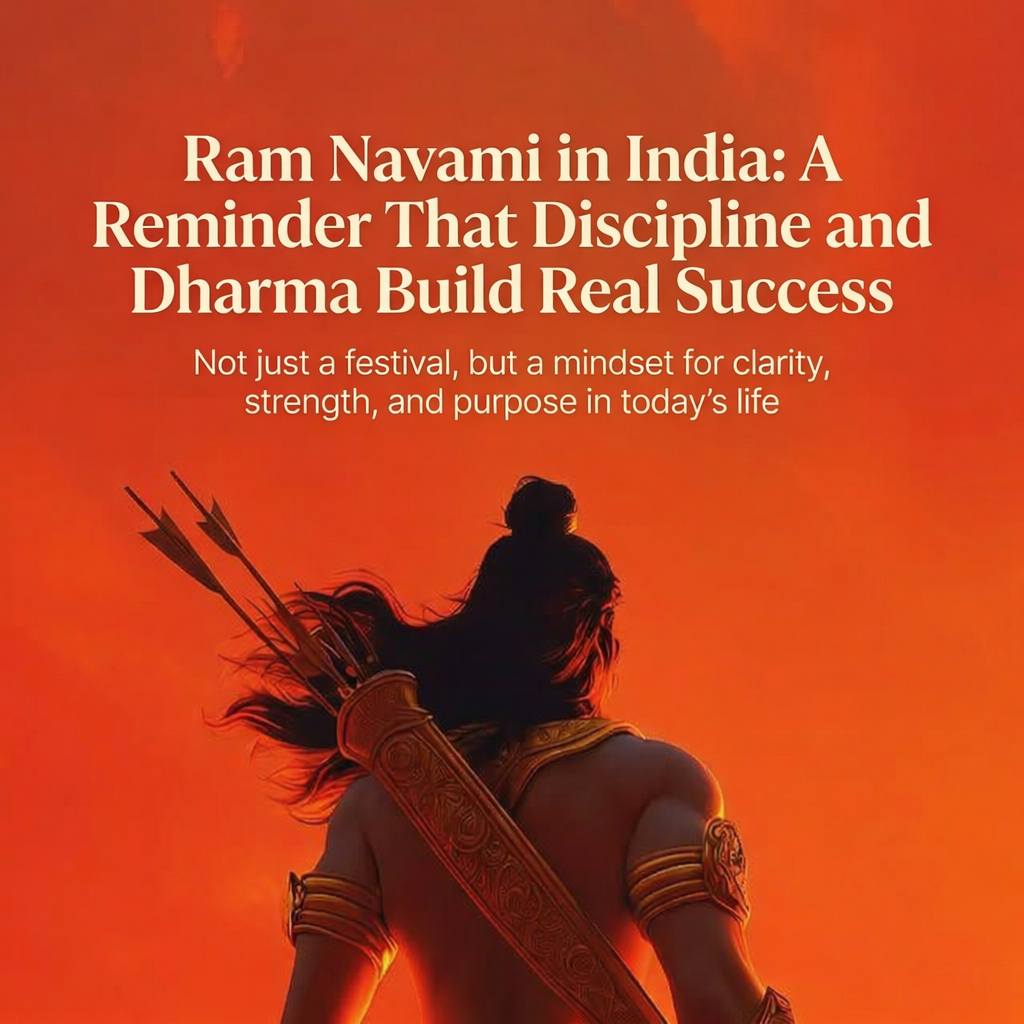
Ram Navami in India: What Lord Ram Teaches Us About Discipline, Dharma, and Success

What is Ram Navami in India—and why does it still matter today?

If you’ve grown up in India, chances are Ram Navami was always there—temple visits, aarti, prasad, that peaceful feeling in the air.

But pause for a second.
Have you ever really asked yourself… what does Ram Navami in India actually mean for our life today?

Because honestly, in today’s fast world—deadlines, pressure, distractions—it’s easy to celebrate festivals… and completely miss their purpose.

For Dr. Jitesh Gadhia, Ram Navami is not just about devotion. It’s about direction. It’s a reminder that success without values doesn’t last, and peace without discipline doesn’t stay.


Ram Navami in India: More than a festival, it’s a life blueprint

We all know Lord Ram as Maryada Purushottam—the ideal human. But what made him ideal?

Not power.
Not status.
But clarity and discipline.

And that’s exactly why Ram Navami in India feels so relevant even today.

Think about it—

  • We want success, but avoid discipline
  • We want peace, but live in constant distraction
  • We want clarity, but never slow down

Ram’s life quietly challenges all of that.

Dr. Gadhia often says in his sessions: “If your life has discipline and values, success becomes a natural outcome—not a struggle.”


Lessons from Lord Ram that still apply in real life

Let’s keep it real. No philosophy—just practical understanding.

1. Discipline over mood

Ram didn’t act based on how he felt. He acted based on what was right.

Today?
We act based on mood. If we feel good, we work. If not, we delay.

That’s the difference between average and growth.

2. Dharma over shortcuts

It would have been easy for Ram to choose comfort. But he chose dharma—even when it was painful.

In modern India, shortcuts are everywhere—career, money, even relationships.

But ask yourself:
Is it giving long-term peace?

3. Emotional control is real strength

No matter the situation, Ram stayed composed.

Now look at our reality—
Traffic, work pressure, small disagreements… and we lose control instantly.

Dr. Jitesh Gadhia often teaches this through NLP:
“Your state controls your decisions. Master your state, and life becomes easier.”


Why Ram Navami in India feels more important than ever today

Let’s be honest—India is growing fast. Opportunities are everywhere.

But along with growth, something else is increasing:

  • Stress
  • Comparison
  • Mental noise

That’s why Ram Navami in India hits differently today. It reminds us that:

  • Growth without grounding leads to burnout
  • Success without discipline feels unstable
  • Achievement without peace feels incomplete

And maybe… that’s why we feel tired even after achieving things.


A simple way to actually live Ram Navami—not just celebrate it

You don’t need big rituals to follow Ram’s teachings.

Start small. Really small.

  • Wake up with one clear intention
  • Do one thing with full discipline
  • Pause before reacting emotionally
  • Choose honesty—even when it’s uncomfortable

That’s it.

This is what Ram Navami in India is trying to teach us—not perfection, but alignment.


Ram Navami in India: A feeling across every city 

Whether it’s Ayodhya, where the energy is unmatched…
Or cities like Ahmedabad, Surat, Mumbai—where families visit temples and slow down for a day…

There’s something common everywhere:
A shift in energy.

People become calmer. More present. More connected.

And maybe that’s the real festival—not outside, but inside.


FAQs: Ram Navami in India

What is the real meaning of Ram Navami in India?
It celebrates the birth of Lord Ram and represents discipline, dharma, and ideal living.

Why is Ram Navami still relevant today?
Because it teaches values like emotional strength, clarity, and integrity—needed more than ever.

What can we learn from Lord Ram in modern life?
Discipline, patience, decision-making, and staying true to values.

Is Ram Navami only religious?
No. It’s also practical—it teaches how to live a better, more balanced life.


Maybe the real question is this…

We celebrate Ram Navami every year.

But are we actually becoming calmer?
More disciplined?
More aligned?

Because if not… maybe we’re missing the point.

For Dr. Jitesh Gadhia, Ram Navami in India is a gentle reminder—
Don’t just celebrate values. Start living them.

And honestly, even if you take just one lesson from Ram’s life and apply it…
That itself is transformation.

For more insights on mindset, discipline, and life clarity, explore jiteshgadhia.com

This Ram Navami, don’t just pray… pause, reflect, and realign. 🤍

#RamNavami #India #Discipline #Dharma #DrJiteshGadhia #Mindset #SpiritualGrowth

When Peace Meets Purpose: Dr. Jitesh Gadhia’s Spiritual Visit to Nilkanthdham, Gujarat

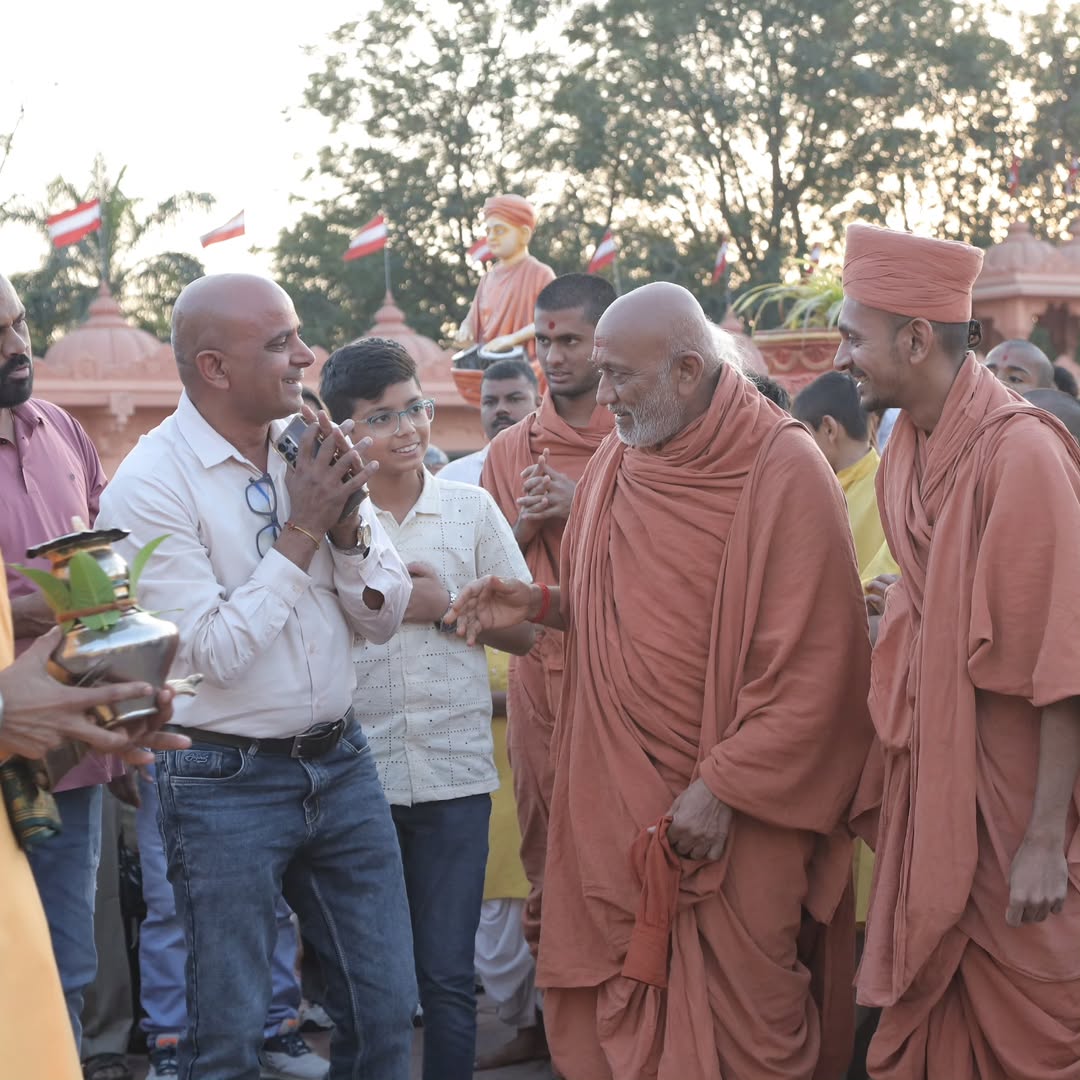
A Nilkanthdham spiritual visit is more than a religious journey—it is a conscious pause to reconnect with inner clarity and purpose.

For Dr. Jitesh Gadhia, this visit to Nilkanthdham was about alignment. As an NLP coach, corporate trainer, and motivational speaker, Dr. Gadhia works closely with ambition, performance, and leadership. Yet he strongly believes that lasting success begins with inner discipline and calm.

This Nilkanthdham spiritual visit in Gujarat reflected that belief in action.


Why Dr. Jitesh Gadhia Chose a Nilkanthdham Spiritual Visit

Nilkanthdham, located on the peaceful banks of the Narmada River in Gujarat, represents structure, silence, and spiritual order. For Dr. Gadhia, this environment mirrors effective leadership—clear systems, calm execution, and values-driven action.

This Nilkanthdham spiritual visit was not about rituals alone. It was about observing how discipline creates peace and how silence sharpens clarity.


What Dr. Jitesh Gadhia Experienced During the Nilkanthdham Spiritual Visit

During his Nilkanthdham spiritual visit, Dr. Gadhia experienced:

  • Mental clarity through silence

  • Emotional balance through calm surroundings

  • Stronger alignment between values and actions

This experience reinforced a principle he teaches in NLP and leadership programs: when the mind slows down, decision-making becomes clearer.


Leadership Lessons from Nilkanthdham

Walking through the campus, Dr. Gadhia observed discipline without force. Volunteers guide respectfully, visitors cooperate naturally, and silence is maintained through awareness rather than enforcement.

This Nilkanthdham spiritual visit became a real-life example of conscious leadership—where systems support people instead of controlling them. These same principles are applied in Dr. Gadhia’s leadership and mindset programs shared on jiteshgadhia.com.


Evening Aarti: Stillness That Creates Clarity

The evening aarti at Nilkanthdham is calm, structured, and deeply grounding. There is no rush or chaos—only presence.

During this moment, Dr. Gadhia reflected on a message he often shares: clarity does not come from noise; it comes from stillness. This is what makes a Nilkanthdham spiritual visit deeply transformative.


Why a Nilkanthdham Spiritual Visit Matters in Today’s India

India is progressing rapidly, especially in states like Gujarat. However, growth without grounding leads to stress and burnout. A Nilkanthdham spiritual visit offers professionals from Ahmedabad, Surat, Vadodara, Mumbai, and across India a space to pause and realign.

Gujarat Tourism also recognises Poicha as an important spiritual destination, highlighting the cultural and spiritual importance of Nilkanthdham.


Practical Tips from Dr. Jitesh Gadhia for a Nilkanthdham Spiritual Visit

  • Visit with one clear intention

  • Walk slowly and mindfully

  • Keep your phone on silent

  • Observe discipline and structure around you

  • Anchor the calm before leaving using deep breathing

These simple practices help carry the calm of a Nilkanthdham spiritual visit into daily life.


FAQs: Nilkanthdham Spiritual Visit

Why did Dr. Jitesh Gadhia visit Nilkanthdham?
To reconnect with clarity, discipline, and inner leadership.

Is a Nilkanthdham spiritual visit useful for professionals?
Yes, especially for leaders, entrepreneurs, and decision-makers.

How much time should one spend at Nilkanthdham?
At least 3–4 hours.

What is the best time for a Nilkanthdham spiritual visit?
Early mornings for silence and evenings for aarti.


Final Thought

A Nilkanthdham spiritual visit does not add more tasks to life. It removes distractions.

For Dr. Jitesh Gadhia, this visit reaffirmed that inner discipline creates outer excellence. When the mind is calm and values are clear, action becomes purposeful and success becomes sustainable.

To explore more insights on mindset, discipline, and leadership, visit jiteshgadhia.com.